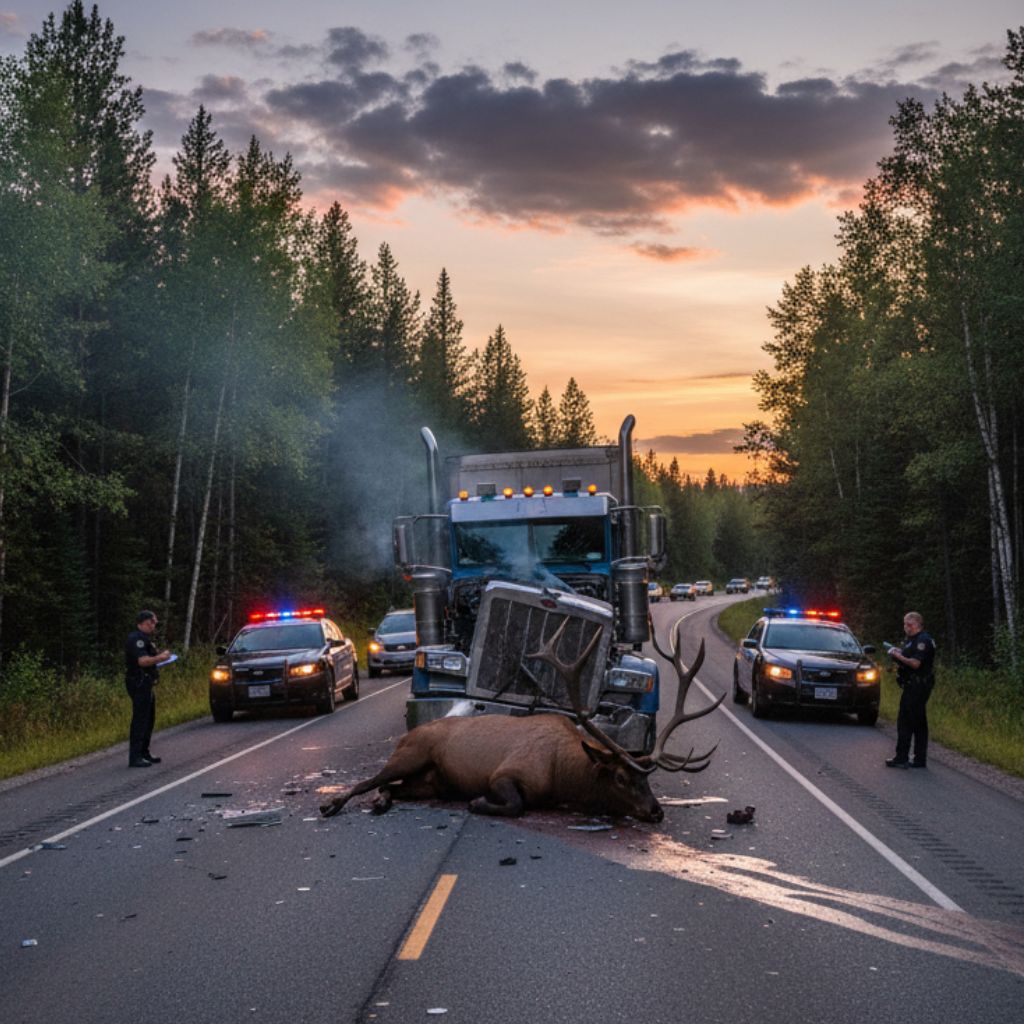
Fleet operators across the United States face measurable operational risk from wildlife-vehicle collisions (WVCs). According to the Federal Highway Administration (FHWA), an estimated 1 to 2 million collisions with large animals occur annually in the U.S., resulting in hundreds of fatalities and significant property damage.
https://highways.dot.gov/safety/proven-safety-countermeasures/wildlife-crossings
For commercial carriers, dealerships, and fleet managers, these incidents are not only safety concerns — they directly affect vehicle titling, insurance documentation, asset valuation, and registration status.
Understanding how collision events intersect with compliance obligations is critical for maintaining operational continuity.
Operational Impact of Wildlife Collisions
The U.S. Department of Transportation recognizes wildlife collisions as a significant roadway safety issue, particularly in rural and forested corridors.
https://www.transportation.gov/mission/safety
For commercial fleets, collision consequences may include:
-
Major vehicle damage
-
Insurance claims and total-loss determinations
-
Salvage or rebuilt title branding
-
Temporary removal from service
-
Delayed registration renewals or transfers
When a collision results in a total loss or structural damage, title status may change depending on insurer determination and state law.
Salvage and Rebuilt Title Considerations
If a vehicle is declared a total loss, many states require issuance of a salvage title prior to repair and re-registration. In Montana, salvage and rebuilt title requirements are governed by Montana Code Annotated Title 61.
https://leg.mt.gov/bills/mca/title_0610/chapters_index.html
Before returning a vehicle to service, commercial operators may need:
-
Salvage title issuance
-
VIN inspection
-
Rebuilt title application
-
Updated registration processing
Failure to properly update title branding can delay resale, transfer, or fleet reassignment.
For high-volume operators, structured title review following any major collision event reduces documentation errors and compliance gaps.
Registration Status After Collision Events
Montana vehicle registration is administered at the county level under the oversight of the Montana Department of Justice Motor Vehicle Division.
https://dojmt.gov/driving/vehicle-title-and-registration/
Following a collision, operators should verify:
-
Whether the registration remains active
-
Whether plate reassignment is required
-
If title status changes affect renewal eligibility
-
Whether ownership documentation requires correction
If a vehicle is removed from service temporarily, registration status should still be reviewed to prevent lapse periods or reporting discrepancies.

Fleet Risk Management and Documentation Control
The U.S. Forest Service estimates wildlife-vehicle collisions result in billions of dollars in annual economic impact nationwide.
For commercial fleets, proactive measures may include:
-
Route risk mapping in high-collision corridors
-
Driver reporting protocols for animal strike incidents
-
Immediate documentation review following collision damage
-
Coordinated insurance and title updates
Collision response should not end with repair — it should include administrative review of title and registration records.
Multi-State Fleet Considerations
For fleets operating across multiple jurisdictions, wildlife collisions may trigger:
-
Cross-state title transfers
-
Branded title disclosures
-
Insurance documentation updates
-
Re-registration requirements in primary garaging states
Accurate recordkeeping is especially important for:
-
Rental fleets
-
Long-haul trucking operations
-
Dealer inventory units
-
High-value specialty vehicles
Structured oversight ensures that vehicles returning to service meet all statutory documentation requirements.
How Montana Registration Services Supports Commercial Clients
Montana Registration Services works with:
-
Dealership groups
-
Fleet operators
-
Rental companies
-
Commercial carriers
-
Asset managers
We provide:
-
Title correction processing
-
Salvage and rebuilt title coordination
-
County-level registration management
-
Greater than 99% documented internal accuracy standards
-
Same-day processing for eligible submissions
When collision-related title or registration issues arise, structured filing coordination helps maintain accurate ownership records and uninterrupted fleet deployment.
Operational Continuity Requires Documentation Accuracy
Wildlife collisions are unpredictable, but compliance breakdowns are preventable. After any significant vehicle damage event, commercial operators should review:
-
Title branding status
-
Registration validity
-
Insurance documentation alignment
-
VIN and ownership records
Accurate, timely updates protect resale value, prevent processing delays, and maintain regulatory alignment.
For structured title and registration coordination following collision events, contact Montana Registration Services to discuss your fleet requirements.