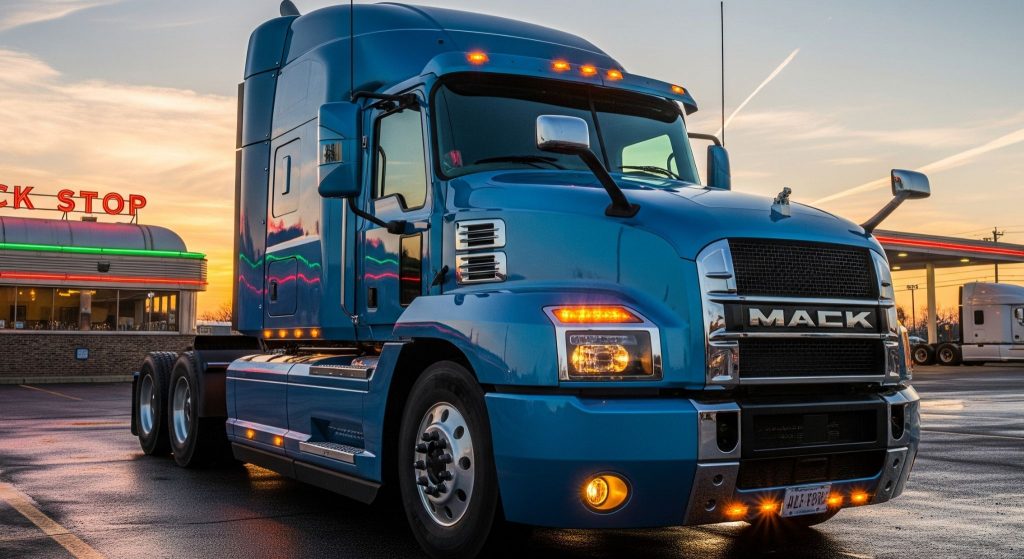
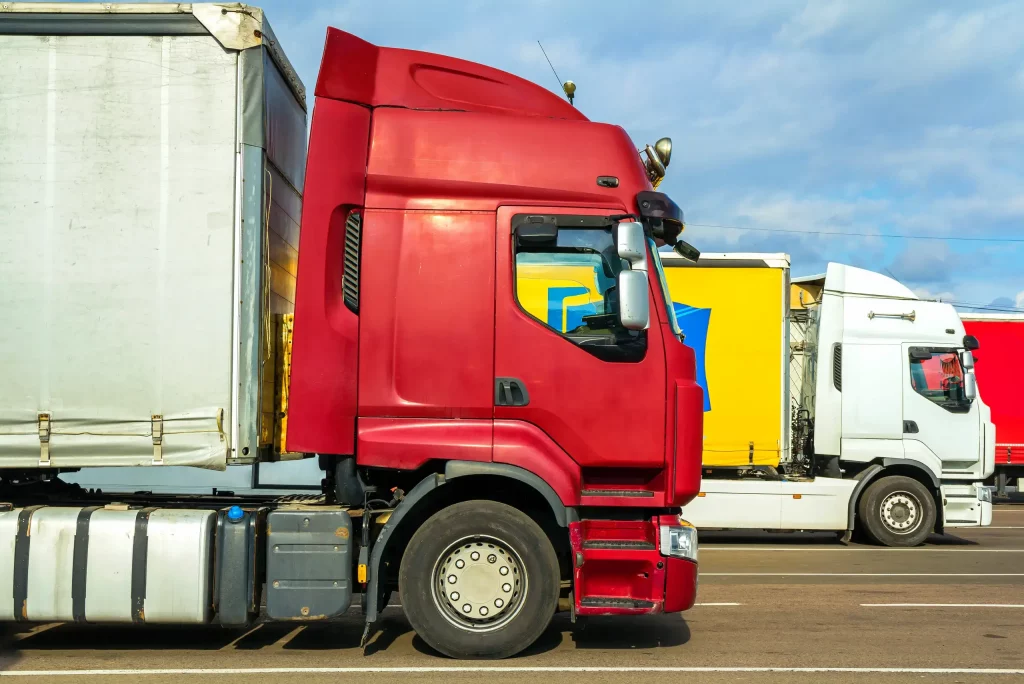
For dealerships, fleet operators, and businesses managing commercial vehicles, California truck registration renewal is an operational requirement tied directly to vehicle availability and revenue continuity.
Organizations handling renewals internally must maintain accurate documentation, track renewal timelines, and confirm compliance with California Department of Motor Vehicles (DMV) requirements. Official renewal guidelines are available through the California DMV.
Timely renewal reduces processing delays, prevents penalty exposure, and supports uninterrupted fleet operations.
Renewal Timing and Scheduling
The California DMV typically issues renewal notices approximately 60 days prior to expiration. However, businesses can initiate renewal in advance using the license plate number and last five digits of the VIN.
Key considerations:
- Renewal Window: Up to 75 days prior to expiration
- Late Fees: Progressive penalties apply after expiration
- Fleet Oversight: Centralized tracking across all vehicles supports continuous operation
For official timing and renewal requirements, refer to:
https://www.dmv.ca.gov/portal/vehicle-registration/vehicle-registration-renewal/
Required Documentation
Accurate documentation is critical to prevent delays or rejected filings. Required information may include:
- License plate number
- Last five digits of the VIN
- Renewal notice (if available)
- Valid smog inspection (when applicable)
- Active insurance on file with the DMV
Smog requirements can be verified through the California Bureau of Automotive Repair:
https://www.bar.ca.gov/consumer/smog-check-program
Insurance reporting requirements are outlined by the DMV:
https://www.dmv.ca.gov/portal/vehicle-registration/insurance-requirements/
MRS Insight: Maintaining centralized digital records across fleet vehicles supports consistent renewal execution and reduces administrative gaps.
Renewal Processing Methods
California provides multiple renewal channels depending on vehicle status and documentation alignment.
Online Renewal
Available for vehicles with no outstanding compliance issues.
https://www.dmv.ca.gov/portal/vehicle-registration/vehicle-registration-renewal/
DMV NOW Kiosks
Self-service kiosks provide immediate issuance of registration credentials when eligible.
https://www.dmv.ca.gov/portal/locations/kiosks/
In-Person Processing
Required for vehicles with discrepancies, weight adjustments, or compliance flags.
https://www.dmv.ca.gov/portal/locations/
Selecting the correct processing method in advance reduces duplicate submissions and delays.
Commercial Truck Compliance Requirements
Commercial vehicles are subject to additional validation requirements:
- Weight Fees: Based on declared gross vehicle weight (GVW)
- Weight Certificates: Required following vehicle modifications
- Smog Compliance: Confirm eligibility and inspection status
- Insurance Verification: Must be electronically reported
Detailed commercial vehicle requirements are available through the DMV.
MRS Insight: Pre-validating weight classification, insurance status, and smog compliance prevents processing interruptions.
Common Renewal Issues
Operational delays are often caused by:
- Missing or unreported smog inspections
- Insurance not electronically recorded
- Outstanding citations or toll violations
- Incorrect vehicle weight classification
- Outdated address or ownership records
Address updates can be completed through the DMV.
MRS Insight: Assigning responsibility for renewal oversight across fleet vehicles reduces missed deadlines and compliance gaps.
Compliance and Internal Processing Controls
Organizations managing multiple vehicles benefit from consistent internal controls:
- Centralized tracking of VINs and renewal dates
- Scheduled renewal reminders
- Pre-validation of insurance and smog status
- Updated weight documentation
- Standardized internal processing checklists
These practices support consistent execution across distributed teams and multi-vehicle portfolios.
Post-Renewal Verification
After submission:
- Confirm registration status through the DMV.
- Maintain updated registration records for audit and inspection purposes
- Store documentation in centralized fleet records
Internal Processing Considerations
For organizations managing registration internally, maintaining consistency across documentation, timing, and submission channels is critical.
For additional guidance on registration processing methods without direct DMV handling, refer to:
Auto Registration Online Without DMV
Montana Registration Services
Montana Registration Services supports dealerships, fleet operators, and professional advisors with coordinated title and registration processing across jurisdictions.
For organizations managing multi-vehicle portfolios, structured processing supports accurate filings, reduced delays, and consistent operational control.
Contact Montana Registration Services to support accurate, timely truck registration processing across your fleet.