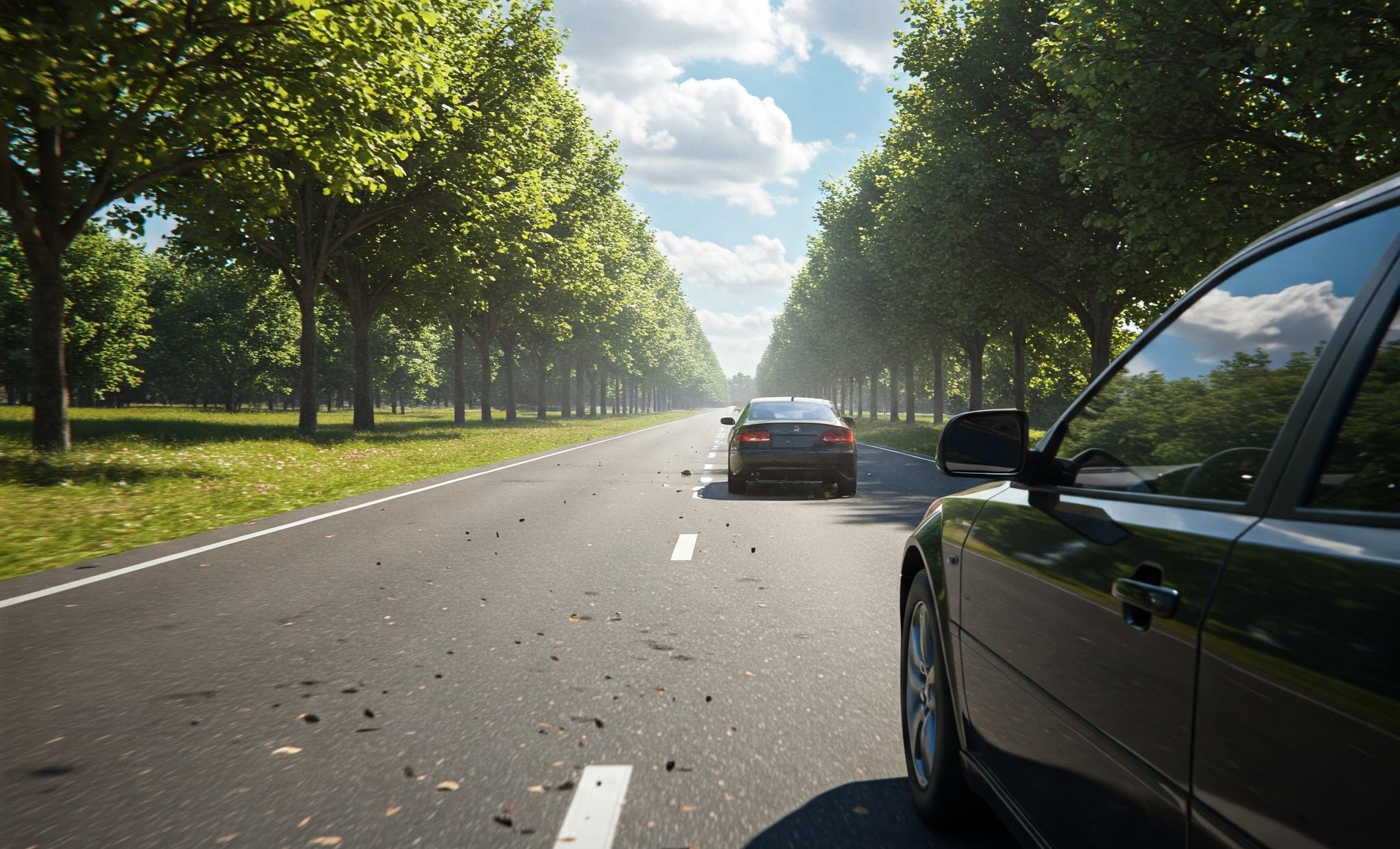
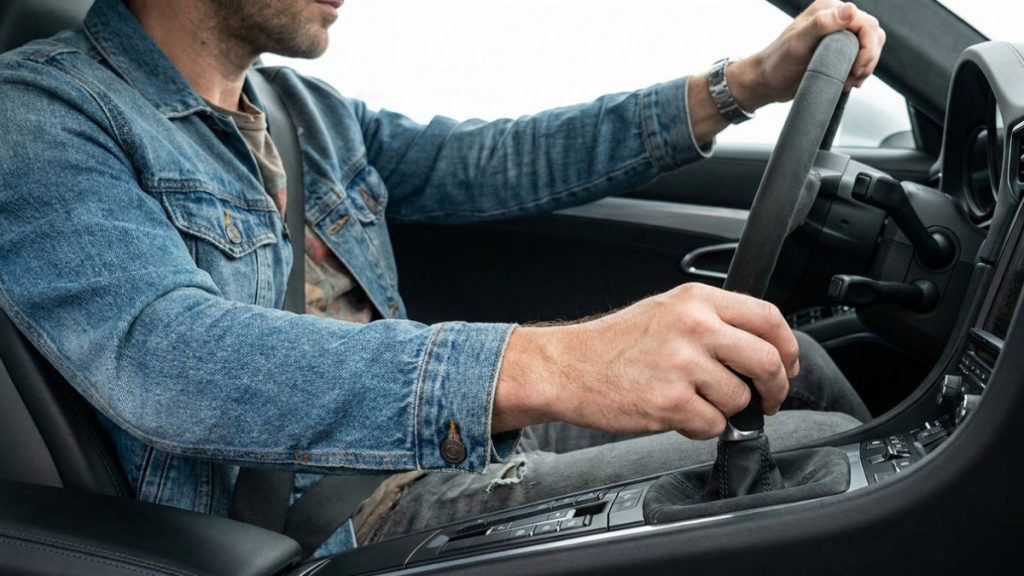
You slide into the seat of an older car, feel the weight of the clutch pedal under your left foot, and something clicks. The car talks back. The steering wheel pushes against your hands through every corner. The engine note changes with every gear you choose. It’s imperfect, mechanical, and strangely alive in a way that a modern performance sedan, for all its brilliance, simply isn’t.
That feeling is exactly why manual cars still have a cult following decades after the automatic transmission became the default. It’s not nostalgia dressed up as preference, but something more specific, more physical, and harder to quantify than a spec sheet can capture.
For enthusiasts who’ve owned both, the answer to what modern cars haven’t replicated comes back to one word: involvement. This article looks at why that matters, why the community around analog driving keeps growing, and what it tells us about how people relate to their vehicles.
The Modern Car Is Objectively Better, So Why Does It Feel Like Less?
Modern cars are faster, safer, more efficient, and more comfortable than anything built thirty years ago. The data is unambiguous. A family crossover today stops faster, handles more predictably in an emergency, and uses less fuel than a sports car from the 1990s. Engineers have solved problems that used to define the driving experience, and they’ve done it well.
But somewhere in that process of solving problems, they also removed feedback. The steering became lighter and more precise, but it stopped communicating what the front tires were doing. The gearbox shifted faster than any human could manage, but it removed the physical act of shifting from the equation. Stability systems caught slides before drivers could feel them building. Each of these changes made the car more capable and the driver less involved.
That tradeoff is where the cult following lives. Drivers who want to feel every input, every correction, every small conversation between tire and road find themselves drawn to cars that demand participation. The manual transmission is the clearest expression of that demand. It requires you to be present every time you move through traffic, up a mountain pass, or through a corner sequence. There’s no coasting on the car’s competence.
If you own a vehicle that qualifies for exotics registration through Montana, you already understand that certain vehicles carry a different kind of value than depreciation schedules can reflect. The same logic applies here.
Curious whether your vehicle is eligible for Montana registration? Find your package here.What the Manual Transmission Actually Does That Automatics Don’t
The mechanical argument for manuals has mostly collapsed. Modern dual-clutch and torque-converter automatics shift faster, manage clutch slip better under load, and in most measurable ways outperform even a skilled manual driver. That’s not the point the enthusiast community is making.
Ready to register your vehicle?
Join thousands of vehicle owners who use Montana Registration Services to handle their registration quickly.
Find My Montana Package → →The point is about connection. When you choose the gear, you’re making a decision about how the car will behave over the next few seconds. You’re managing the powertrain rather than observing it. That active management creates a loop of intention and response that keeps you mentally engaged in a way that selecting a drive mode simply doesn’t replicate.
There’s also a skill ceiling that matters to this community. Getting faster in a manual car requires learning, practice, and genuine feel for rev-matching, heel-toe downshifting, and smooth clutch engagement at the limit. Automatics compress that ceiling. They make the car faster but make the driver less central to the result. For people who care about driving as a craft rather than a commute, that compression feels like a loss.
The same principle drives interest in naturally aspirated engines, hydraulic steering racks, and analog instrumentation. Each of these elements returns information to the driver rather than filtering it away. Turbo lag aside, a naturally aspirated engine gives you a linear, predictable response curve you can read and use. Hydraulic steering weights up as cornering loads increase, telling you how much grip remains. These aren’t better in every context, but they’re more communicative, and communication is what enthusiasts are chasing.
For a broader view of how vehicle character shapes ownership decisions, the post on Montana Vehicle Registration for High-Value Vehicles: A Business Comparison covers why owners of distinctive vehicles often think differently about registration strategy too.
The Cult Is Bigger Than Nostalgia
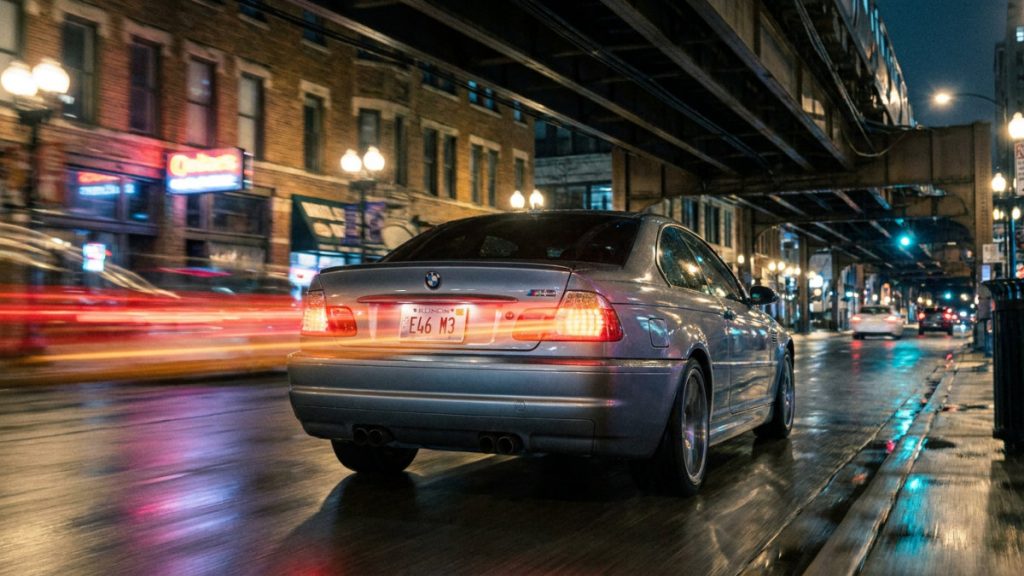
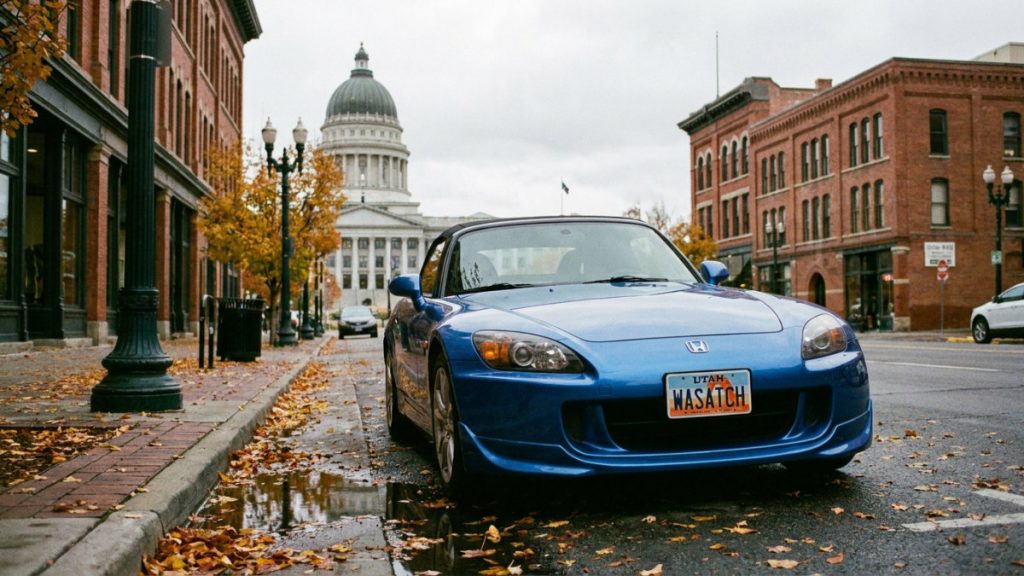
It would be easy to write off the manual transmission following as older drivers pining for their first cars. The reality is more interesting. Younger buyers are increasingly seeking out older vehicles precisely because of what they offer rather than what they lack. Porsche 911 values from the air-cooled era keep climbing. Clean examples of Honda S2000s, BMW E46 M3s, and first-generation Mazda MX-5s trade at prices that reflect genuine demand, not sentiment alone.
What these buyers share is an interest in the driving experience as the primary feature of the vehicle. Not the infotainment screen, not the driver assistance suite, and not the 0-60 time. The feel of the thing. How it responds at the limit. Whether it rewards attention and punishes inattention in a way that makes you better at it over time.
That pursuit has practical implications for registration and ownership. Vehicles bought for experiential value rather than transportation utility often live in collections, get driven on weekends, and sometimes move across state lines as owners relocate or estates change hands. The Vehicle Registration Challenges: Resolving Missing Titles, Unsigned Transfers, and Complex Ownership Issues post covers some of the complications that arise when collector vehicles change hands, particularly when paperwork hasn’t kept pace with the vehicle’s history.
Riders who carry the same analog philosophy into two wheels will find the motorcycle safety tips from our sister brand MTMC Foundation worth a read. The connection between rider and machine mirrors what manual car enthusiasts describe almost exactly.
“The one thing modern cars still haven’t replicated is what it feels like when the car is right on the edge and you’re the one managing it. That feedback loop is the whole point.”
– Enthusiast driver, Pacific Northwest
What This Means When You Own One of These Cars
Owning a vehicle you care about on a deeper level than transportation changes how you think about every aspect of ownership, including registration. A collector-grade manual car often carries significant value, crosses state lines during track events or relocations, and may sit in a different ownership structure than a daily driver. These aren’t casual paperwork decisions.
Montana LLC registration has become a well-established strategy for owners of high-value and collectible vehicles. Montana has no sales tax on vehicle purchases, no emissions testing requirements, and straightforward annual fees set by the Montana Motor Vehicle Division. For a vehicle worth six figures or more, the math on sales tax avoidance alone tends to be significant. A full explanation of how this works for business clients is covered in Why Are Supercars Registered in Montana?
Dealers and fleet operators who regularly move enthusiast vehicles, including auction acquisitions and consignment inventory, can find structured processing support through Dealerships and Fleets at Montana Registration Services. Bulk agreements and consistent turnaround times make a meaningful difference when you’re processing multiple units per month.
The Answer Nobody Wants to Admit About Modern Cars
Modern performance cars are genuinely impressive. The engineering behind a current GT3, an M car, or a performance EV represents real achievement. But the enthusiast community has mostly accepted that impressive and involving are two different things, and that the gap between them will probably keep widening as autonomy and electrification continue to advance.
That acceptance is what sustains the cult following around manual cars. It’s not a rejection of progress. It’s a clear-eyed recognition that some things were filtered out in the pursuit of performance metrics, and that those things were worth keeping. The drivers who feel this most strongly tend to own their vehicles differently, maintain them differently, and think about registration and protection differently too.
If you’re in that group, and you’re thinking about the right structure for a vehicle you genuinely care about, Vehicle LLC formation through Montana is worth understanding properly. The Vehicle LLC FAQs page covers the most common questions about how the structure works, what it costs, and what it protects.
Frequently Asked Questions
Why do enthusiasts prefer manual transmissions even though automatics are faster?
Speed is only one dimension of the driving experience. Manual transmissions give drivers direct control over gear selection, creating an active feedback loop between intention and vehicle response. For enthusiasts, that involvement is the point, not a concession to slower lap times.
Are older analog cars worth more than newer performance cars to collectors?
In many cases, yes. Air-cooled Porsches, early S2000s, and E46 M3s have all appreciated significantly because demand from experience-focused buyers outpaces supply. These vehicles are valued for how they feel to drive, which is a category modern equivalents haven’t replaced.
Does Montana LLC registration make sense for collector manual cars?
For high-value vehicles, it typically does. Montana has no sales tax, no emissions testing, and reasonable annual fees. Owners who purchase through a Montana LLC can avoid significant sales tax exposure in states where rates run 8-10%. Consult a tax professional to confirm your specific situation.
How does Montana Registration Services help with collector vehicle titling?
MRS handles title transfers, LLC formation, and registration processing with a 99%+ success rate and an eight-day title submission turnaround. For collector vehicles with complex ownership histories or out-of-state titles, professional processing reduces errors and delays compared to direct DMV filing.
Can dealers who sell enthusiast and collector vehicles use MRS for bulk processing?
Yes. MRS offers bulk-processing agreements for dealerships and auction houses handling multiple units. Consistent turnaround, direct agency relationships with the Montana Secretary of State and Department of Justice, and flexible pricing make MRS a practical partner for high-volume operations.
What happens if a collector car has a gap in title history?
Title gaps are common with older vehicles that changed hands informally. MRS has experience resolving missing titles, bonded title situations, and unsigned transfers. The post on Vehicle Registration Challenges covers the most common scenarios and how they’re typically resolved.
Ready to talk through registration options for a vehicle you actually care about? Montana Registration Services works with dealers, collectors, and fleet operators every day. Find your Montana registration package and get started today.