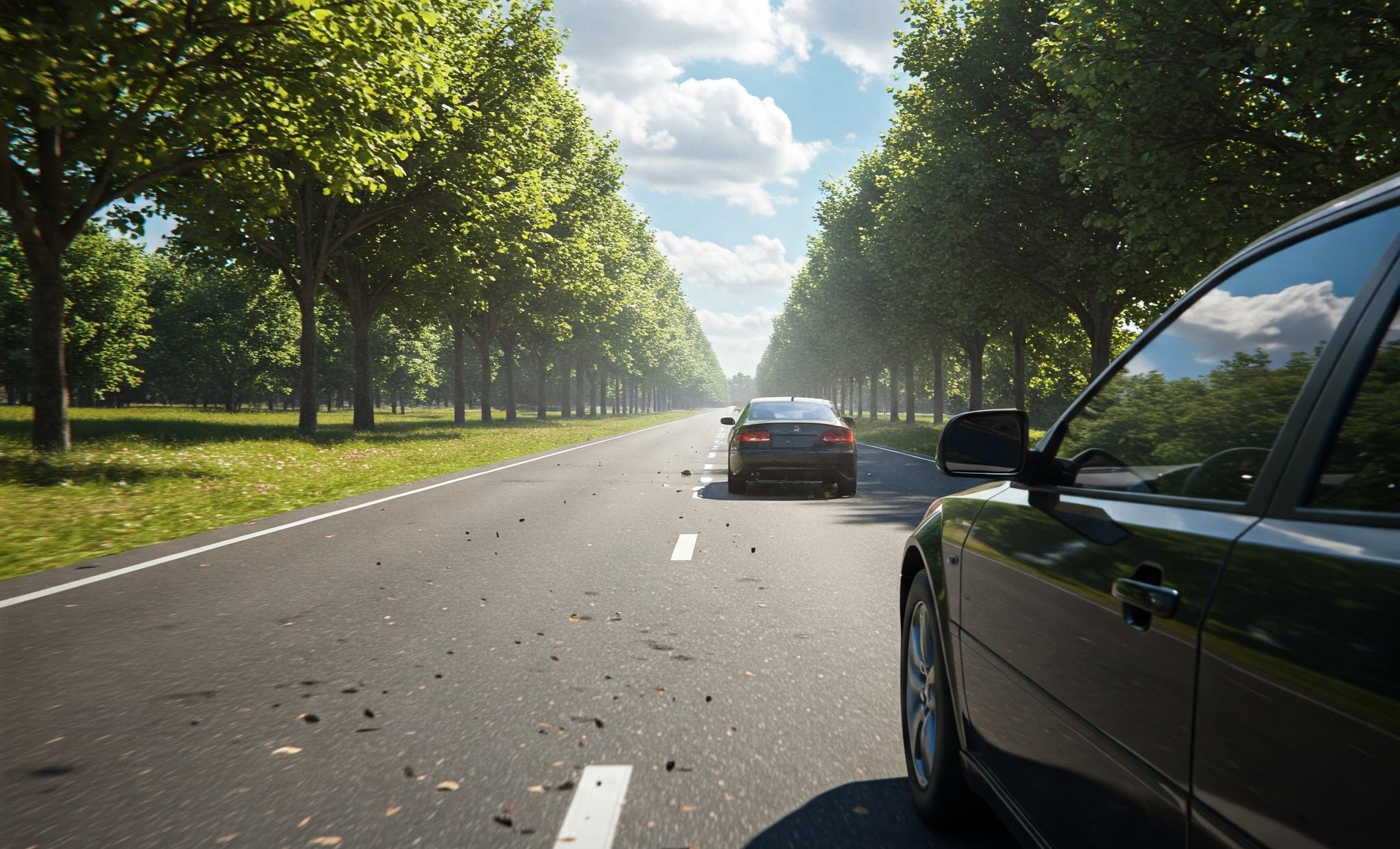
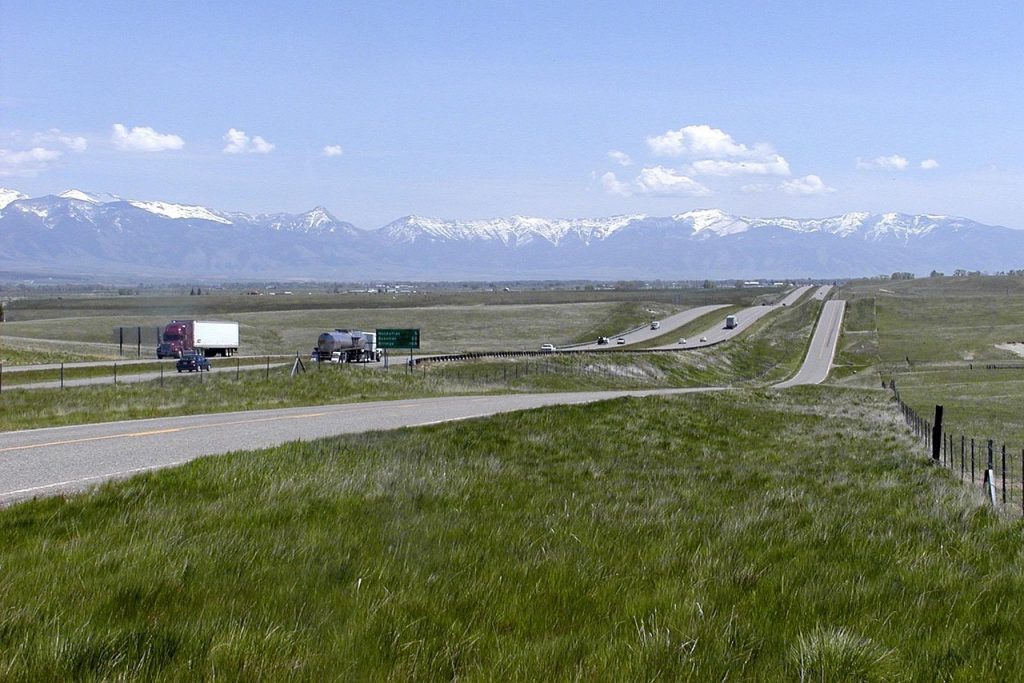
Seasonal time changes bring measurable shifts in roadway risk. As daylight saving time ends each fall, wildlife-vehicle collisions increase across multiple U.S. regions, particularly in northern states.
According to the Federal Highway Administration’s Wildlife Crossings Safety Overview, wildlife-vehicle collisions remain a significant roadway safety issue nationwide, with an estimated 1 to 2 million crashes involving large animals each year.
The period immediately following the end of daylight saving time is associated with increased collision frequency due to reduced evening visibility and peak wildlife movement at dusk.
Regional Data and Seasonal Patterns
Transportation data consistently show elevated collision rates during late fall. The FHWA reports that animal-related crashes are most common during October, November, and December, when mating season and migration patterns increase roadway crossings.
Research published in Current Biology (2022) found deer-vehicle collisions are substantially more likely after dark, reinforcing the role reduced daylight plays in collision frequency.
Several states in northern regions continue to report seasonal spikes in animal-related crashes following the time change, particularly along rural corridors.
Infrastructure and Mitigation Efforts
Federal and state agencies continue to address wildlife-vehicle collision risks through infrastructure improvements. The FHWA Wildlife Crossings Pilot Program (https://highways.dot.gov/federal-lands/programs/wildlife-crossings) supports projects such as overpasses, underpasses, and roadside fencing designed to reduce crash frequency.
The U.S. Forest Service also outlines federal wildlife corridor and mitigation initiatives (https://www.fs.usda.gov/managing-land/wildlife-crossings), including seasonal roadway management strategies in designated migration areas.
Operational Implications for Commercial Fleets
For fleet operators, wildlife collisions present more than a safety concern. They may trigger:
-
Insurance claims and total-loss determinations
-
Salvage or rebuilt title branding
-
VIN inspections
-
Temporary vehicle removal from service
-
Registration status review or correction
In Montana, vehicle title and registration are administered through county offices under the oversight of the Montana Department of Justice Motor Vehicle Division (https://dojmt.gov/driving/vehicle-title-and-registration/).
Failure to align title branding and registration records following a collision can delay resale, reassignment, or fleet redeployment.
Risk Monitoring During Seasonal Transitions
Fleet managers may consider:
-
Reviewing routes that pass through high-risk wildlife corridors
-
Monitoring dusk and dawn deployment schedules
-
Confirming title and registration status following collision events
-
Coordinating insurance documentation with state filing requirements
While seasonal wildlife movement cannot be eliminated, documentation accuracy following an incident supports continued compliance and operational continuity.
Structured Title and Registration Coordination
Montana Registration Services supports commercial operators with:
-
Title correction filings
-
Salvage and rebuilt title coordination
-
County-level registration submissions
-
Greater than 99% documented internal accuracy standards
-
Same-day processing for eligible filings
For organizations operating across multiple states, maintaining accurate ownership and registration records after a collision event is essential.
To review your fleet’s title and registration documentation requirements, contact Montana Registration Services for professional coordination support.