
You’ve just closed a solid week at the lot. Five trailers moved, two heavy haulers out the door, and a handful of equipment transfers still pending paperwork. Then Monday hits and your desk is covered in registration documents, each one from a different state, each one with its own fee schedule, its own renewal window, and its own way of making your life complicated. Sound familiar?
This is the reality for most equipment dealers handling trailer dealer registration on their own. The volume is manageable at first, then it compounds. One trailer needs a title for a vehicle correction. Another customer calls because their commercial trailer plates expired last month and they didn’t get a renewal notice. A third is waiting on a hauler they can’t move until the paperwork clears. Meanwhile, your team is spending hours on tasks that have nothing to do with selling equipment.
I’ve been there. Before joining Montana Registration Services, I was managing vehicle and trailer registrations across multiple states for a fleet operation. I know exactly where the friction lives, and I know there’s a better path. Let me show you what that looks like.
Why Trailer Registration Trips Up Even Experienced Dealers
The core problem isn’t complexity, it’s inconsistency. Every state has its own rules for commercial trailer plates, weight classifications, and renewal timelines. A trailer that registers cleanly in Texas might require additional documentation in Ohio. A heavy hauler that crosses state lines regularly may fall under different rules depending on where it’s titled.
Montana trailer registration stands out because the state offers something most don’t: permanent trailer plates for qualifying trailers. No annual renewal. No expiration sticker. You pay once, you’re done. For dealers moving high volumes of equipment, that single fact changes the math on how you manage your inventory and your customers’ ongoing costs.
Montana also has no sales tax on vehicles, which matters for high-value haulers and specialty equipment. A customer purchasing a $150,000 gooseneck trailer in a state with a 6% sales tax is looking at $9,000 out the door before they’ve put a mile on it. Through a properly structured Montana LLC vehicle registration, that exposure goes away. That’s a real selling point you can offer your buyers, and it makes your dealership more competitive on high-dollar units.
A more complete breakdown of how this works for commercial assets is available in IRP vs Montana LLC: Which Fleet Registration Strategy Saves More Money?, which walks through the cost comparison most fleet-oriented dealers find useful.
Find Your Montana Dealer PackageHow the MRS Dealer Program Actually Works
Montana Registration Services operates under the actual state processing contract. That’s not a marketing line, it’s what separates us from document prep services and online filing portals. When you submit trailer registrations through MRS, they move through a dedicated processing lane with an average title submission turnaround of eight days, compared to the industry norm of six weeks.
For dealers, that speed matters most when a customer is waiting to take delivery. A hauler sitting on your lot because paperwork is stuck costs you goodwill and potentially the sale. Our bulk-processing agreements are built specifically for dealer volume, meaning you’re not waiting in the same queue as individual consumers.
The dealer program handles trailer dealer registration from intake through plate issuance. You send us the vehicle information and ownership docs, we handle the Montana LLC formation if needed, the title work, and the registration filing. Your customer gets Montana license plates for their equipment, a permanent plate in qualifying cases, and no annual renewal headache.
For dealers who move RVs alongside trailers and haulers, the same program applies. The post How to Register an RV in Montana (And Why So Many Owners Do It) gives your customers context on why Montana registration makes sense for large towable units, which is a useful resource to share at point of sale.
You can also check out our full Montana Dealer Registration Program overview, which covers how bulk accounts are structured and what dealers typically save on a per-unit basis when they move volume through MRS.
The Permanent Plate Advantage for Heavy Equipment Dealers
Here’s where Montana’s rules genuinely help equipment dealers differentiate themselves. Most states require annual registration renewals on trailers, which means your customer is back on the phone every year, dealing with fees, new stickers, and potential lapses in coverage if they miss a renewal window.
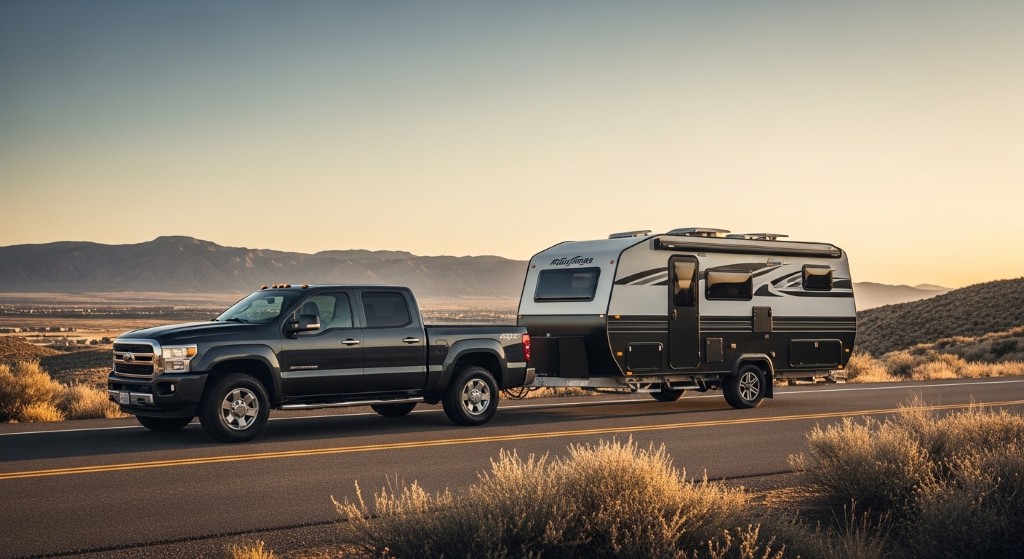
Montana offers permanent trailer registration for trailers over a certain weight threshold. Once registered, those commercial trailer plates don’t expire. Your customer pays a one-time fee, gets their plate, and moves on. For dealers selling heavy equipment trailers, livestock trailers, lowboy haulers, or gooseneck rigs, this is a tangible value-add you can present at closing.
The official Montana fee schedule is published by the Montana Motor Vehicle Division, and it’s worth pulling up with customers during the sales conversation. Seeing the actual numbers, particularly the absence of annual renewal fees, tends to close the conversation quickly.
Dealers handling multi-state fleet customers should also read Apportioned License Plates vs Standard Registration: Which Is Right for Your Fleet? That post covers cases where IRP apportioned plates make more sense than standard Montana registration, which is a real edge case for customers running equipment across state lines under commercial authority.
One of our dealer partners in the Pacific Northwest told us his customers stopped asking about registration entirely after he switched to our program. “They just know it’s handled,” he said. That’s the outcome we build toward with every dealer account.
Getting Your Dealership Set Up the Right Way
Setting up a bulk dealer account with MRS takes less time than most dealers expect. We collect your business information, confirm your dealer license, and establish your processing agreement. From there, you submit registrations through a dedicated intake process, not a general consumer portal.
For dealers whose customers need Montana LLC formation as part of the registration, we handle that too. The Montana LLC registration process is something our team manages start to finish, including filing with the Montana Secretary of State and making sure annual compliance stays current. Your customer gets a properly formed entity, not a shortcut that creates problems later.
Dealers who want to handle temp tags for equipment moving off the lot before permanent plates arrive should also look at Commercial Temp Tags: What Dealers and Fleet Managers Actually Need to Know. That resource covers how to bridge the gap between sale and plate issuance without leaving your customer’s equipment sitting.
Our team at MRS has processed well over 1,000 titles and maintains a 99%+ accuracy rate on submissions. That number matters when you’re running dealer volume, because a single rejected filing on a commercial trailer can hold up delivery and damage the customer relationship you just built.
Your Customers Come Back When Registration Is Handled Right
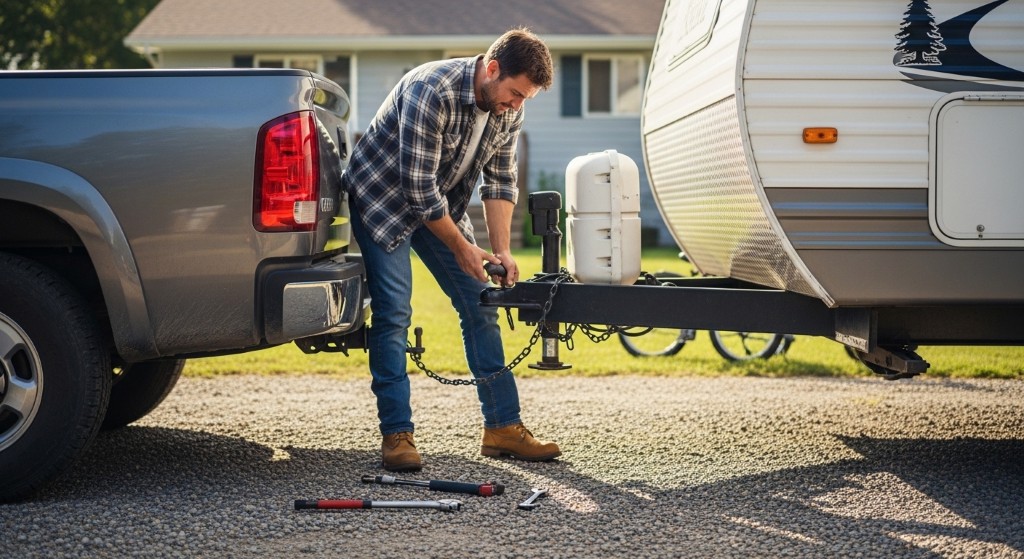
The dealers I work with who’ve moved their trailer registration volume to MRS report the same thing: the conversations with customers shift. Instead of fielding registration questions months after the sale, they’re fielding calls about new equipment purchases. That’s where your attention belongs.
Montana vehicle registration, done correctly through a dealer program, becomes a quiet advantage built into every transaction. Your customers get plates that don’t expire, no sales tax exposure on high-value equipment, and a professional registration process that reflects well on your dealership. You get fewer post-sale headaches and a processing partner who handles the volume without dropping the ball.
If you want to see how MRS structures dealer accounts and what the processing fees look like for your volume, the best first step is a direct conversation. We don’t do one-size-fits-all pricing, because dealer operations aren’t one-size-fits-all.
Find Your Montana Package and Talk to Our TeamFrequently Asked Questions
Can out-of-state equipment dealers use Montana trailer registration for their customers?
Yes. Montana registration is available to customers regardless of where they live or operate, typically through a Montana LLC. The LLC holds title to the trailer, which allows for Montana registration and the no-sales-tax benefit. MRS handles the LLC formation and registration filing as part of the dealer program. See Montana LLC for Business Vehicle Registration: The Complete Guide for the full picture.
What types of trailers Eligible for Montana permanent plates?
Montana offers permanent trailer registration for trailers that meet specific weight thresholds under state legislation. This typically covers heavy equipment trailers, lowboy haulers, gooseneck trailers, and livestock trailers. The Montana Motor Vehicle Division publishes the qualifying criteria and fee schedule. MRS can confirm eligibility during your intake process.
How long does trailer registration processing take through MRS?
MRS targets an eight-day title submission window, compared to the six-week industry average. For dealer accounts, we prioritize volume submissions and flag any documentation issues before they cause delays. Temporary operating authority can bridge the gap between sale and plate issuance for most commercial trailers.
Do my customers need to form a Montana LLC to get Montana trailer registration?
Not in every case, but for out-of-state customers, an LLC is typically the correct structure. It’s the mechanism that allows a non-resident to title and register a vehicle or trailer in Montana compliantly. MRS handles LLC formation as part of the registration package. More detail is at Why So Many Vehicle Owners Register an LLC in Montana.
Can MRS handle bulk registrations for dealers moving high volumes of trailers monthly?
Yes. Bulk-processing agreements are a core part of what MRS offers. Pricing is structured for dealer volume, not priced per unit at consumer rates. Contact our team directly to discuss your monthly volume and we’ll put together a processing agreement that fits your operation.
What documents do I need to submit for each trailer registration?
Typically: the Manufacturer’s Certificate of Origin or existing title, a completed Montana title application, odometer disclosure if applicable, and proof of LLC formation for out-of-state customers. MRS provides a dealer intake checklist when you set up your account, so your team knows exactly what to gather at point of sale.