
You’ve got a fleet of 20, 40, maybe 80 vehicles. Every year, like clockwork, the renewals stack up. Your calendar fills with deadlines. Your team chases down paperwork for trucks that haven’t changed ownership, haven’t crossed a state line for IRP purposes, and honestly don’t need to go through the full cycle again. The cost and the time keep adding up, and for what?
That’s the conversation fleet managers have when they first hear about Montana’s permanent plate program. Not a workaround. Not a scheme. A real, state-authorized registration category that eliminates annual renewal requirements for qualifying vehicles, permanently.
If you’re managing a commercial fleet, older rolling stock, or heavy equipment, this guide is for you. Here’s what Montana permanent registration actually means, which vehicles are eligible, and how fleet operators across the country are using it to cut administrative overhead without cutting corners.
Why Annual Registration Is a Bigger Problem Than It Looks
On paper, renewing a vehicle registration sounds simple. In practice, when you’re doing it for a fleet, it’s a project. Renewal notices arrive at different times. Different vehicles have different fee schedules. Older trucks that have been on your books for years still require the same paperwork shuffle as newer units. And if one renewal slips through the cracks, you’ve got a compliance gap that could cost you on a roadside inspection.
Montana’s permanent plate program solves this for a specific category of vehicles. Once a vehicle is registered with a permanent plate, there’s no annual renewal. The plate doesn’t expire. The registration doesn’t lapse. For a fleet manager who already has enough to track, that’s not a minor convenience, it’s a meaningful reduction in ongoing liability and administrative load.
Montana vehicle registration has long attracted out-of-state owners for its no-sales-tax structure and straightforward titling process. For fleet operators, the permanent plate option adds another layer of value that’s less publicized but just as important. You can read more about how the state’s registration system is structured on the Montana Vehicle Title and Registration page maintained by the Montana Department of Justice.
The stakes are real. Every vehicle that stays on an annual cycle is a vehicle that could lapse. Permanent registration removes that risk entirely for eligible units.
See if Your Fleet Vehicles Are Eligible for Permanent Plates →Which Vehicles Actually Eligible for Montana Permanent Plates
Here’s where fleet managers need to pay close attention, because not every vehicle in your operation will Eligible. Montana’s permanent plate program has specific eligibility criteria, and it’s worth going through your inventory before assuming blanket coverage.
The primary qualifying factor is vehicle age. In Montana, vehicles that are 11 years old or older and have a manufacturer’s suggested retail price (MSRP) below a certain threshold are eligible for permanent registration. Light vehicles, trailers, and certain commercial units fall into this category. The fee is paid once, and the registration is done.
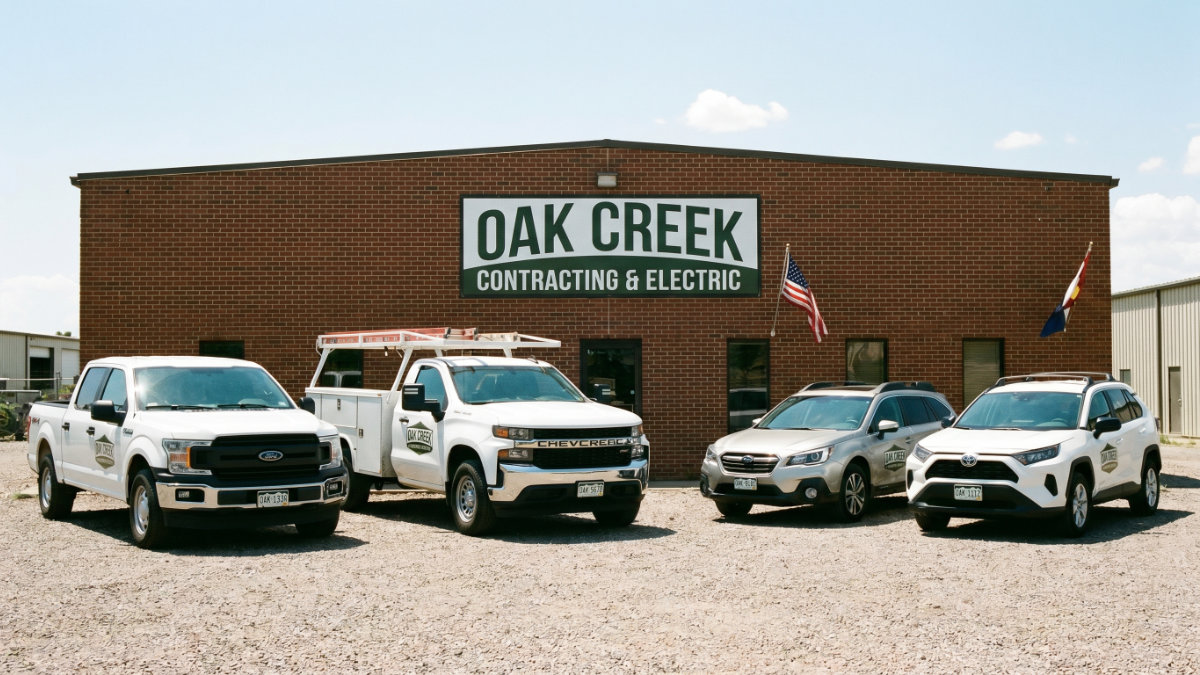
For older fleet trucks, work trailers, utility vehicles, and equipment transporters that have been on your books for years, this is the category worth auditing. If a truck turned 11 this year, it just became a candidate for permanent plates, and that means no more annual renewal fee, no more compliance gap risk, and one fewer item on your renewal calendar.
Heavier commercial vehicles and newer units typically fall outside the permanent registration window and are better suited for standard annual registration or IRP apportioned plates, depending on how they operate. If your fleet crosses state lines regularly under commercial authority, that’s a different conversation entirely. The post IRP vs Montana LLC: Which Fleet Registration Strategy Saves More Money? breaks down that comparison in detail and is worth reading before you decide which path fits each unit in your fleet.
For trailers specifically, Montana allows many to be registered permanently regardless of age, which makes it one of the most trailer-friendly states for fleet operators managing equipment hauls.
| Vehicle Type | Permanent Plate Eligible? | Key Condition |
|---|---|---|
| Light trucks and SUVs (11+ years old) | Yes | Below MSRP threshold, no annual renewal required |
| Trailers (most categories) | Yes | Many trailer types Eligible regardless of age |
| Newer commercial trucks (under 11 years) | No | Standard annual registration applies |
| IRP-apportioned commercial vehicles | No | IRP registration required for multi-state operations |
| Utility and equipment trailers | Typically yes | Confirm with MRS based on trailer classification |
How Montana LLC Registration Makes Permanent Plates Work for Out-of-State Fleets
This is the part that surprises most fleet managers the first time they hear it. You don’t have to be based in Montana to register vehicles there. You form a Montana limited liability company, that LLC owns the vehicles, and the vehicles are registered in Montana under the LLC. It’s a structure that’s been used compliantly for decades, and it’s well within the bounds of Montana state legislation.
The Montana LLC is the key. Without it, a business based in Texas or Ohio or California can’t simply walk up and register their fleet in Montana. The LLC creates the Montana business presence that makes registration possible. It also opens the door to Montana’s no-sales-tax benefit, which for high-value commercial units can represent a significant one-time savings.
The post Montana LLC for Business Vehicle Registration: The Complete Guide covers the LLC formation process in depth, including what documents you need, how the ownership structure works, and what ongoing compliance looks like. For fleet managers new to this approach, that’s a solid starting point.
Once the LLC is formed and the vehicles are titled under it, the permanent plate pathway applies exactly the same as it would for any other Montana-registered vehicle that meets the age and classification criteria. Montana Permanent Plates: Why So Many Out-of-State Owners Are Getting Them gives a broader look at why this option has grown in popularity beyond just fleet use.
Honestly, the LLC formation step is where most operators hesitate. It sounds like overhead. In practice, Montana LLC formation is straightforward, and MRS handles the filing in coordination with the Montana Secretary of State. The annual compliance requirement, the LLC annual report due April 15 each year, is modest compared to the registration savings on a permanent plate vehicle.
That’s the kind of processing quality fleet managers need when they’re moving multiple units at once.
The Administrative Reality: What Permanent Registration Actually Changes for Your Team
Let’s talk about what life looks like after you’ve moved eligible fleet vehicles onto permanent plates. Your renewal calendar shrinks. The vehicles that were generating annual paperwork and fees simply stop generating them. Your team stops tracking those units for compliance deadlines because there are no deadlines to track.
For fleet managers overseeing dozens of units, that change compounds fast. Ten vehicles off the annual renewal cycle means ten fewer notices to track, ten fewer payments to process, ten fewer opportunities for a lapse. Scale that to 30 or 50 units and the administrative relief becomes substantial.
There’s also a cost angle. The one-time permanent registration fee replaces what would have been years of annual fees. The exact break-even point depends on the vehicle type and the applicable fee schedule, but for older units expected to stay in service for several more years, the math typically favors the permanent plate. The Montana Vehicle Title and Registration fee schedule is publicly available if you want to run the numbers for your specific vehicle classes.
One thing worth flagging for fleet operators who also manage motorcycles or powersport units in their inventory: those vehicles follow a slightly different path. If that’s part of your operation, IRP Registration: The Complete Guide for Fleet Operators and the broader MRS service catalog both cover those categories.
For teams that also handle commercial temp tags during acquisition or pre-registration periods, the post Commercial Temp Tags: What Dealers and Fleet Managers Actually Need to Know is a useful companion read, especially if you’re rotating new units into the fleet while permanent registration is being processed.

Getting Your Fleet Set Up with Montana Registration Services
MRS was built for exactly this kind of work. Not a single vehicle, one-off registration, but bulk processing for fleets that need consistent turnaround and clean paperwork every time. The team processes titles compliantly, typically submitting within eight days, compared to the industry norm that often stretches to six weeks. For a fleet manager trying to get units on the road and off the compliance risk list, that timeline matters.
The process starts with identifying which vehicles in your fleet are candidates for permanent plates. That’s an audit MRS can help with. From there, LLC formation if needed, title transfer into the LLC, and permanent plate registration all follow in sequence. For fleets with multiple units, bulk processing agreements are available, which means consistent pricing and a single point of contact rather than re-starting the process for every vehicle.
If you’re comparing Montana’s approach against apportioned plate options for your heavier commercial units, the post Apportioned License Plates vs Standard Registration: Which Is Right for Your Fleet? lays out the distinction clearly. Not every vehicle in your fleet belongs on the same registration path, and getting that right upfront saves time downstream.
For fleet managers who want to understand the full scope of what MRS offers before starting, DMVEz’s vehicle services overview covers related registration and compliance services within the same family of companies.
Frequently Asked Questions
Do I need to live in Montana to get Montana permanent plates for my fleet?
No. You form a Montana LLC, which serves as the registrant. The vehicles are owned and registered under the LLC. Montana residency is not required for the business owner or fleet manager.
Which fleet vehicles are most likely to Eligible for permanent registration?
Vehicles that are 11 years old or older and fall below Montana’s MSRP threshold are the most common candidates. Most trailer categories also Eligible. Newer commercial trucks and IRP-apportioned vehicles typically do not Eligible for permanent plates.
Is the Montana LLC an ongoing obligation?
Yes. The LLC requires an annual report filed with the Montana Secretary of State by April 15 each year. The fee is modest and MRS can assist with ongoing compliance. More detail is available on the Montana LLC Annual Report Filing page.
How does permanent registration affect fleet compliance during roadside inspections?
A permanent plate is a valid Montana registration. There’s no expiration date to check and no renewal sticker required. The plate itself is the credential, which can actually simplify roadside documentation for older units.
Can MRS handle bulk registration for large fleets?
Yes. MRS has bulk processing agreements for fleets with multiple units and offers consistent turnaround and dedicated account handling. The Montana Dealer Registration Program: Fleet and Dealership Bulk Processing post covers how that program works in more detail.
What’s the difference between Montana permanent plates and standard annual registration?
Standard annual registration requires a renewal fee and updated paperwork each year. Permanent registration is a one-time fee, after which the plate never expires and no annual renewal is required for that vehicle.
Find Your Montana Fleet Registration Package →