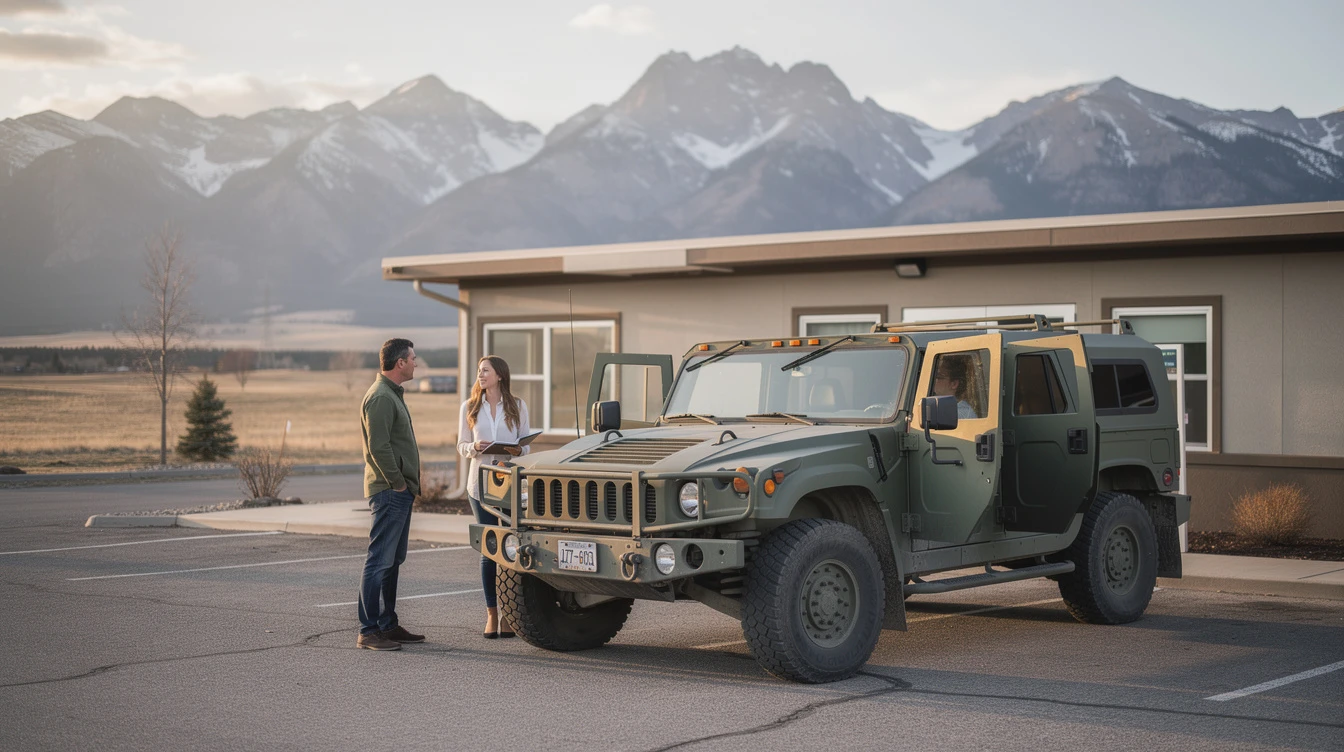
If your car mods are legal in your home state but illegal in another state you’re driving through, you can be cited, fined, ordered to remove the modification on the spot, or even have your vehicle impounded — regardless of whether the mod was perfectly legal where you registered the car. This is one of the most misunderstood areas of vehicle law in the United States, and it catches thousands of drivers off guard every year.
Whether you’re running a lifted truck, tinted windows, aftermarket exhaust, modified lighting, or custom bumpers, understanding cross-state modification laws is essential — especially if you travel frequently, own multiple vehicles, or manage a commercial fleet. Let’s break down exactly what you need to know.
Why Car Modification Laws Differ So Dramatically by State
The United States has no single federal standard for most vehicle modifications. While the federal government sets baseline safety standards through the National Highway Traffic Safety Administration (NHTSA) and the Environmental Protection Agency (EPA), each state has the authority to set its own rules for things like:
- Window tint darkness and reflectivity
- Exhaust noise levels and emissions
- Lift kit and suspension height limits
- Lighting colors and placements (underglow, LED bars, etc.)
- Bumper height regulations
- Tire protrusion and fender coverage
- Nitrous oxide systems
This patchwork of regulations means a modification that passes inspection in Montana, Texas, or South Dakota may be an automatic violation the moment you cross into California, New York, or Maryland. The gap can be startling — what’s a standard truck build in one state can result in a fix-it ticket or impound in another.
What Actually Happens When You Get Stopped in Another State
Here’s the practical reality: if a law enforcement officer in another state observes a modification that violates their state’s vehicle code, they have full authority to act — even if your registration is completely valid and your mod is street-legal back home.
Ready to register your vehicle?
Join thousands of vehicle owners who use Montana Registration Services to handle their registration quickly and legally.
Set Up Your Montana LLC → →Possible Outcomes of a Cross-State Mod Stop
| Situation | Likely Outcome | Severity |
|---|---|---|
| Tint too dark for the state | Fix-it ticket or fine | Low–Medium |
| Exhaust too loud | Fine, possible equipment removal order | Medium |
| Lift kit exceeds state limits | Fine, out-of-service order | Medium–High |
| Illegal lighting (underglow, etc.) | Fine, citation, equipment removal | Medium |
| Emissions non-compliance | Impound, failure to operate legally | High |
| Structural mods (frame cuts, etc.) | Impound, potential vehicle forfeiture | Very High |
In most cases, a first stop results in a warning or fix-it ticket. However, repeat violations, egregious mods, or mods that an officer deems a safety hazard can escalate quickly. Some states — California being the most well-known — have dedicated vehicle inspection units that actively patrol for modified vehicles.
Can You Fight It Using Your Home State’s Laws?
Technically, you can try — but in practice, it rarely works. Courts have consistently held that drivers must comply with the laws of the state they are currently operating in. Your home state registration and inspection sticker are generally not a valid defense against a vehicle equipment violation in another jurisdiction. The principle is called lex loci — the law of the place — and it applies to traffic and equipment violations.
The Most Commonly Conflicted Modifications Across State Lines
Window Tint
Window tint is one of the single biggest sources of cross-state vehicle stops. States measure tint in VLT (Visible Light Transmission) — the lower the percentage, the darker the tint. California requires 70% VLT on front side windows. Montana allows much darker tint. If you’re registered in Montana and drive to California regularly, your factory-legal tint could earn you a citation the moment you cross the border.
Exhaust Systems
Aftermarket exhaust modifications — particularly straight-pipe or high-performance setups — are legal in many states but trigger noise ordinance violations in others. Several states also have specific decibel limits measured at a set RPM. California, Colorado, New York, and Washington are particularly strict. Some states require CARB (California Air Resources Board) compliance even for out-of-state vehicles operating long-term within their borders.
Suspension Lifts and Bumper Heights
Lift kit regulations vary wildly. In Montana, large suspension lifts are common and generally unrestricted for most vehicle classes. In states like Washington and California, bumper height is regulated based on GVWR (Gross Vehicle Weight Rating), and exceeding those limits is a citable offense. Commercial vehicles and fleet vehicles face even stricter scrutiny — something owners who handle fleet registration across multiple states need to plan around carefully.
Lighting Modifications
LED light bars, underglow neon, colored headlights, and decorative lighting are regulated differently in every state. Blue and red lights are almost universally restricted to emergency vehicles. Amber and white light bars may be legal off-road in your home state but illegal for any on-road use in neighboring states. Always research lighting laws for any state you plan to drive through.
How Montana LLC Registration Can Help — and What It Can’t Do
One of the most popular strategies for vehicle registration among enthusiasts, collectors, and fleet operators is Montana LLC vehicle registration. Montana has no sales tax, no emissions testing requirements, and relatively relaxed vehicle modification standards compared to states like California or New York.
Registering through a Montana LLC is completely legal and provides genuine advantages:
- No sales tax on vehicle purchases (can save tens of thousands on high-value vehicles)
- No emissions inspections required for registration renewal
- Relatively permissive modification environment for registration purposes
- Privacy benefits through LLC ownership structure
- Lower annual registration fees compared to many states
However — and this is critical — Montana LLC registration does not grant you immunity from the traffic and equipment laws of whatever state you are physically driving in. If you’re a California resident who registers through a Montana LLC but drives daily in California, California authorities have the right to enforce their state’s vehicle equipment laws against your vehicle. Montana registration addresses the registration and tax side of vehicle ownership; it does not override the traffic codes of the state you’re operating in.
That said, for enthusiasts who travel frequently, own RVs, high-value sports cars, or specialty vehicles, Montana LLC registration remains one of the smartest legal strategies available. If you’re ready to explore this option, you can get started with Montana LLC registration quickly and easily through our portal.
Practical Steps to Protect Yourself When Driving Modified Vehicles Across State Lines
- Research before you drive. Before any road trip, look up the specific equipment laws for every state you’ll pass through. SEMA (Specialty Equipment Market Association) maintains a state-by-state guide at semavehiclelaw.com that is frequently updated.
- Document your modifications. Keep a folder (digital or physical) with documentation proving your mods are street-legal in your home state — receipts, inspection records, certification stickers.
- Know the high-risk states. California, Maryland, New York, and Washington are consistently the strictest. Plan modifications and routes accordingly.
- Consider removable modifications. Lighting setups, tint films, and some exhaust components can be temporarily modified or removed for travel through strict states.
- Consult a local attorney for long-term stays. If you’ll be in another state for 30+ days, consult with a local traffic attorney about your specific modifications and risk exposure.
- Work with a professional registration service. For fleet operators, collectors, and frequent travelers, working with an experienced registration service to structure your vehicle ownership correctly from the start is far more cost-effective than dealing with citations and impound fees later.
FAQ: Car Mods, State Laws, and Vehicle Registration
What happens if your car mods are legal in your home state but illegal in another state you’re driving through?
You can be cited, fined, ordered to remove or cover the modification, or in serious cases have your vehicle impounded. Officers in any state can enforce their own vehicle equipment laws against any driver operating within their jurisdiction, regardless of where the vehicle is registered.
Does a valid inspection sticker from my home state protect me in other states?
No. A home-state inspection sticker confirms your vehicle met your home state’s standards at the time of inspection. It is generally not recognized as a valid defense against equipment violations in another state. Each state enforces its own vehicle codes independently.
Which states are strictest about vehicle modifications?
California is generally considered the strictest, with CARB emissions standards, specific bumper height limits, decibel limits on exhaust, and active enforcement. Maryland, New York, Washington, and New Jersey are also known for strict vehicle equipment enforcement. States like Montana, South Dakota, and Texas tend to be more permissive.
Can registering in Montana protect me from out-of-state modification violations?
Montana LLC registration provides significant benefits — no sales tax, no emissions testing for registration purposes, and lower fees — but it does not exempt you from the traffic and equipment laws of the state you are currently driving in. Montana registration solves the registration and tax equation; it does not override other states’ traffic codes.
What is the most commonly cited modification in cross-state stops?
Window tint is one of the most frequently cited modifications in cross-state situations, followed by exhaust noise violations and lighting modifications. These are also among the easiest for officers to observe without specialized equipment.
Do commercial fleets face stricter cross-state modification rules?
Yes. Commercial vehicles are subject to both state vehicle codes and federal DOT regulations, which typically impose stricter standards on lighting, bumper height, load securement, and emissions. Fleet operators traveling across state lines should conduct regular compliance audits for each state on their routes.
Can I get my car impounded for modifications that are legal at home?
Yes, in some cases. While most equipment violations result in a fix-it ticket or fine, modifications that an officer determines are a safety hazard — severely altered suspension, structural frame modifications, excessively blinding lighting — can result in an out-of-service order or impound, regardless of your home state’s rules.
Is there a federal database or standard for vehicle modification laws across all states?
There is no single federal database covering all state-level modification laws. However, SEMA (Specialty Equipment Market Association) maintains one of the most comprehensive state-by-state resources for vehicle modification laws, available at semavehiclelaw.com. Always verify directly with each state’s DMV for the most current regulations.
Ready to Register Smarter? Montana Registration Services Can Help
Whether you’re a performance enthusiast, an RV traveler, a collector, or a fleet manager, understanding the intersection of vehicle modifications and multi-state registration is critical. Montana Registration Services specializes in helping vehicle owners structure their registrations intelligently — legally minimizing tax exposure, avoiding unnecessary emissions hurdles, and protecting high-value assets.
Our team handles Montana LLC vehicle registration, title transfers, commercial fleet registration, and annual renewals for clients nationwide. We make the process straightforward so you can focus on the road ahead.
From Our Network