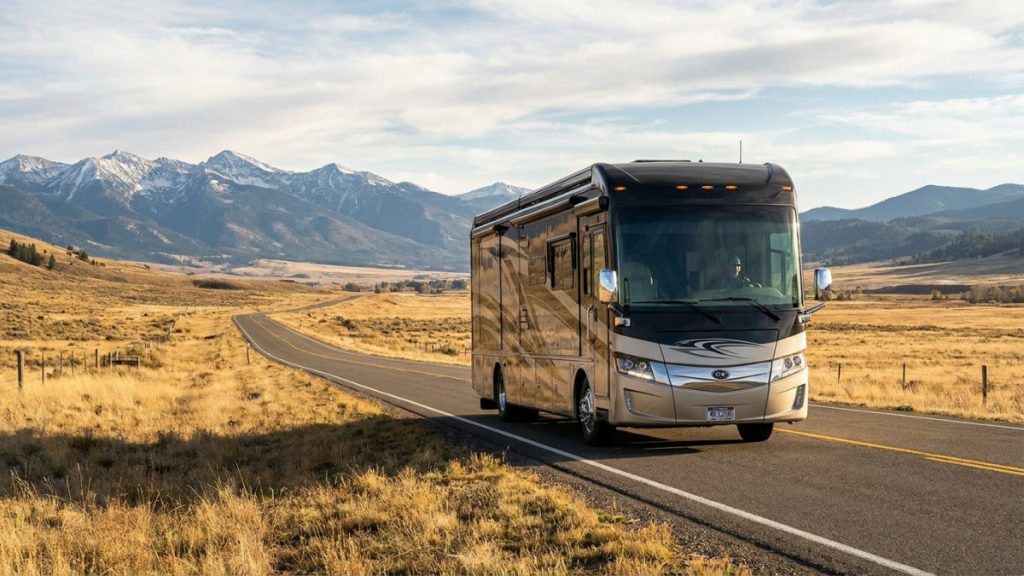
The excitement is real until the paperwork shows up
You found the perfect RV. The price is right. The dealer or seller is ready to move forward.
Then the details hit.
Buying an RV out of state can unlock better pricing and more options. However, it also introduces extra steps that many buyers don’t expect.
Without a plan, delays and unexpected costs can slow your momentum.
Why buying an RV out of state is more common than ever
More buyers are expanding their search beyond local inventory. As a result, they gain access to:
- Better pricing in competitive markets
- More inventory and rare models
- RVs in better condition, especially in warmer climates
According to the RV Industry Association, demand and inventory shifts continue to push buyers across state lines.
However, expanded choice also means more complexity during registration.
The first thing to understand: where you actually pay taxes
Here’s where many buyers get surprised.
When buying an RV out of state, you typically pay sales tax in the state where you register the vehicle, not where you bought it.
The IRS outlines how state and local taxes apply based on residency and use.
That means:
- A low-tax purchase state doesn’t always equal savings
- Your home state rules still apply
- Some states offer credits, but not all
Meanwhile, tax rates vary widely across the country. Therefore, your final cost can shift significantly depending on your registration strategy.
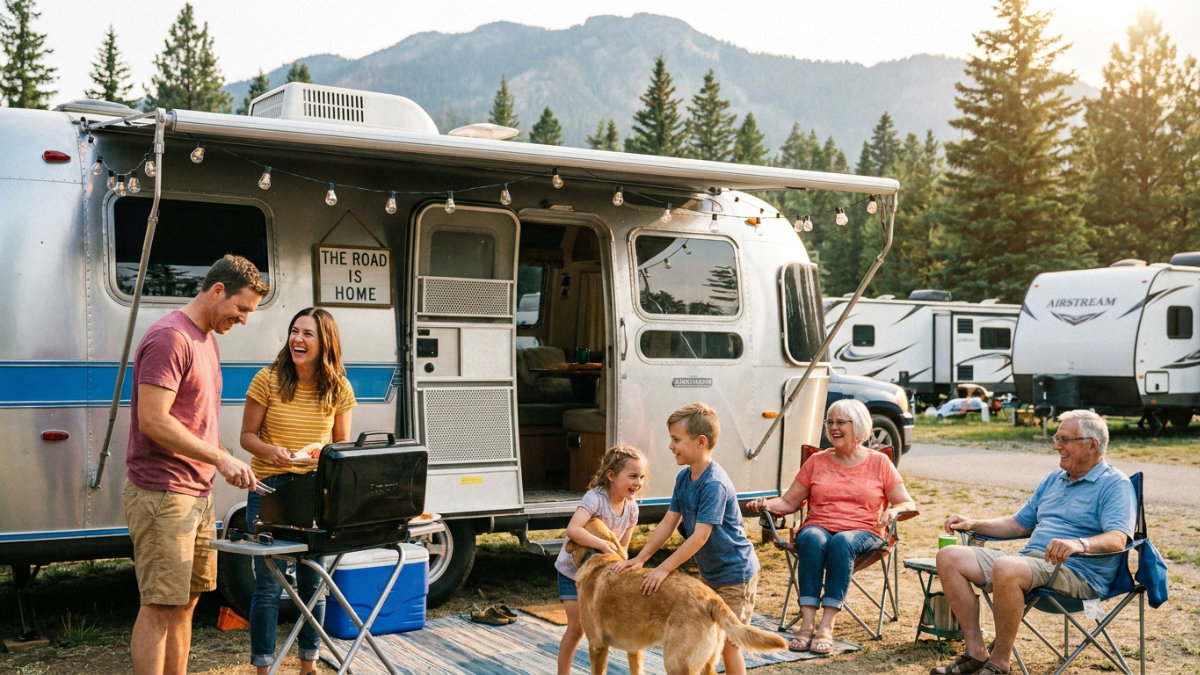
Registration rules don’t follow one playbook
Every state handles vehicle registration differently.
Because of that, buying an RV out of state requires you to align two systems:
- The state where you purchase
- The state where you register
Most buyers will need to:
- Transfer the title correctly
- Provide a bill of sale
- Show proof of insurance
- Complete registration within a set timeframe (often 30–60 days)
State-level requirements often align with guidelines from organizations like the American Association of Motor Vehicle Administrators (AAMVA).
In addition, some states require VIN inspections or emissions checks before registration.
That variation is where delays often begin.
Documentation can make or break your timeline
Clean paperwork keeps everything moving.
Before you sign, make sure you have:
- A properly signed title
- A detailed bill of sale
- Lien release (if applicable)
- Maintenance records
Missing or incorrect documents can stall registration and delay your ability to use the RV.
Furthermore, if you’re buying from a private seller, you’ll handle more of this process yourself.
Getting the RV home is part of the process
Once you sign, the journey is not over.
You still need to:
- Secure temporary tags or permits
- Arrange transport or pickup
- Ensure insurance is active
Driving without proper documentation can lead to fines or setbacks.
Planning this step ahead of time keeps your purchase moving forward.
Not every out-of-state registration approach works
There’s a lot of noise around registering vehicles in different states.
Here’s the reality.
You must meet the requirements of the state where you register. That often includes proving residency or eligibility.
Providing incorrect information can lead to serious penalties or rejected registrations.
Therefore, the goal is not to cut corners. The goal is to follow a structured, compliant path that works.

The opportunity most buyers miss
Buying an RV out of state creates a unique window.
Instead of reacting to tax rules after the purchase, you can plan your ownership structure before you sign.
When done right, this approach can:
- Reduce unnecessary tax exposure
- Simplify registration
- Keep the buying process smooth
In other words, the smartest move happens before the paperwork starts.
This is where Montana Registration Services changes the equation
Here’s where the process becomes streamlined.
Montana Registration Services (MRS) helps you set up a Montana LLC to hold your RV. This structure allows for a more efficient registration path and eliminates sales tax on qualifying purchases.
Then, we handle the heavy lifting:
- We form your LLC
- We prepare and submit all documents
- We manage DMV interactions on your behalf
As a result, you avoid the back-and-forth that slows most out-of-state purchases.
Even better, the savings stay with you. That means more budget for upgrades, travel, and the ownership experience you actually want.
You can read this article, which covers Montana LLC RV Registration: Structure, Requirements, Costs, and Multi-State Considerations.
Keep the momentum going after you sign
Buying an RV out of state should feel exciting from start to finish.
With the right plan, you can avoid delays, reduce costs, and move from purchase to adventure without friction.
The difference comes down to preparation and structure.
Talk to the MRS team today to build a smarter, more efficient RV registration strategy.